
Certified Crazy
[English Only- Bring Your Own Kleenex 😔]

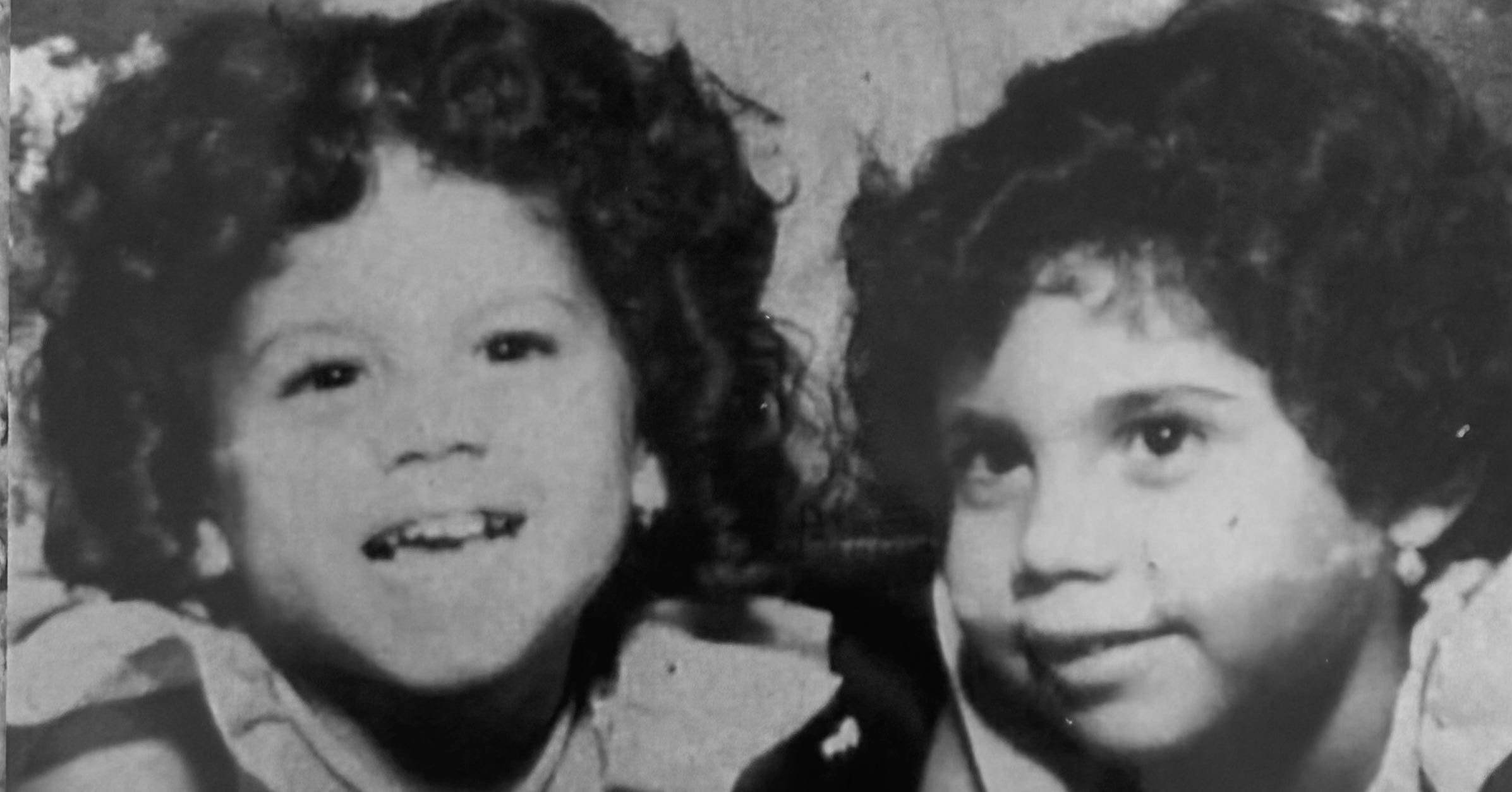
Suspicion, speculation, stigma, stereotype, segregation, solitude, sadness, seclusion, suicide… A few of the words that come to mind when I remember my sister’s life with bipolar disorder and breast cancer. Surprisingly, all of them begin with the letter S.
S, as in sister.
It was a hot and extremely humid Saturday afternoon in Puerto Rico, and my sister was lying on the floor of her room in a fetal position with her head slightly tilted upward, staring at one of her perfectly hand-painted, shocking pink walls. Bubble-like drooling was coming out of her mouth, and her gaze was lost and, frankly, scary. When we heard her weeping like a 2-year-old whose blankie had gone missing forever, my mom ran to her rescue. A scene that had become far too normal for the four. But this time was different. My sister was inconsolable. She wouldn’t move, blink, or speak. We sat next to her for a few minutes or hours; I’m not exactly sure, as time felt like a burden at that moment.
She was only 17.
As a writer used to editing while typing, I think and process my emotions in words. Often, I choose one to summarize the feeling, the experience. This was—without a doubt— the most bizarre day of my 15-year-old life. My big sister was acting weird, and we couldn’t do anything to help her.
The days that followed this “episode” were somber, sad, and full of silence and tears. I remember my mom calling pretty much every psychiatrist in San Juan, my father, her sister, and lastly, telling my grandmother what she thought was going on with my sister.
“She is sick. She wants to quit architecture school; I’m scared”, I heard her say while eavesdropping.
My sister was only 16 when she got accepted at the University of Puerto Rico School of Architecture. Only 30 students were admitted after a rigorous enrollment process that included artwork, endless interviews, and three or four tedious exams. Of course, my consistently brilliant big sister passed them all with A-pluses. Once again, she was the youngest person in the class. My mom—and especially my dad—always bragged about how she spoke her first words at 11 months, started preschool at a Montessori school at age 2, read a book from cover to cover, and knew all her multiplication tables by heart by the time she was in first grade. When the time came for her to enroll in second grade, the teachers highly recommended that she “jump” into third grade right away. She was way too smart to be a second grader.
Here comes the diagnosis…
As soon as we got out of my mom’s car, I felt this unbearable pressure on my chest. The sign read “Hospital San Juan Capestrano,” and it was surrounded by beautiful tropical landscaping and a few flame trees. The waiting area had soft pink and beige walls, and the staff were friendly and almost compassionate. It was obvious that my mom hadn’t slept in 10 days. My dad was making stupid jokes to control his nerves. It was the first time both of my parents were in the same room after their divorce. My sister was waiting behind the glass window. We went in one by one, as she had requested on her visitor’s list. We only had a total of two hours, so we had to be quick and clever. Saying the wrong thing at the wrong time could be highly detrimental to her recovery. A team of doctors, two of whom were female, came to the room after my sister was sent back to her “cocoon,” as she referred to the psychiatric ward she was in. They confirmed our suspicion: She suffered from type 1 bipolar disorder.
My big sister was certified crazy.
Speculation followed immediately after as we tried to figure out how to process this diagnosis and what the best treatment for her was. “Lithium”, they all recommended. But my sister couldn’t bear the side effects of this strong medicine, despite all the studies that prove it to be the most effective one to help patients balance their mood swings. Genetics immediately joined the possible causes for my sister’s Misery Team, as we called it. “Your grandfather was schizophrenic, my mom reminded us. My father’s dad was a brilliant veteran with an impeccable sense of humor. Just like my sister. One of the most discussed family stories was that he came back from Korea “crazy.”
His family had certified him as crazy.
My poor abuelo had been exposed to electric shock therapy back in the day. To my surprise, this is a practice that is still being used to counteract severe depression, treatment-resistant depression, severe mania, catatonia, agitation, and aggression in people with dementia. It is now called electroconvulsive therapy.
Life After the Diagnosis
The following two decades were full of ups and downs, crises, two more hospitalizations, and a few suicidal moments that, luckily, resulted in aborted missions by my younger sister, my Mother, and I, insomnia, stress, and over 40 different psychiatrists. My sister didn’t like therapy at all. She’d always say that she ended up telling the doctors what her condition was all about rather than the other way around.
The level of misunderstanding and stigma combined with the lack of answers and treatment options—or at least something that would make those ghosts in her head go away for a bit— kept the whole family in a perpetual state of frustration. Not to mention our fear of genetics. As a sibling, studies say that I am 10 times more prone to have bipolar disorder than someone without an affected sibling.
I have chosen never to be genetically tested. Mostly because my mom couldn’t bear another diagnosis like hers; even at my craziest and darkest times, I can say I have never experienced depression or mania in my life. At least not the way my sister did. I consider myself blessed, but don’t take it for granted for a second.
While writing this story, I called my mom to help me relive some of the most somber moments with my sister. I wanted to document it as it felt at the time. Her response was: “Please make sure whoever reads this article understands that her breast cancer diagnosis was nothing compared to her bipolar disorder diagnosis.”
At age 30, right after she had bought her first property by herself, she finished remodeling it with my father's help and had a steady boyfriend for three years; her body also joined the misery team that her mind had successfully found 13 years earlier.
My certified crazy big sister ALSO had breast cancer.
Another genetic disorder was about to be confirmed to all of us as she was BRC2 positive. Her battle—to be precise— OUR battle— with her cancer lasted seven long and incredibly fulfilling years.
In the process, I flew down to Puerto Rico at least every other month to be with her and my mom, to take her to her endless chemotherapies, and to be there when she woke up for each one of her five invasive surgeries. We tried it all! We did what every loving family facing this tragedy does: we got her back.
What happened to her mind while her body was shutting down is beyond our belief. There was no major mental crisis (other than a bunch of tears and fear associated with the cancer treatment, of course), no depression meds, nor visits to the psychiatrist during those 7 years. It was almost as if her body and mind had signed an agreement, and the disclaimer stated, “Valid for at least 7 years.”
Her mind gave her a break for the very first time.
While she was never truly in remission from her cancer, her mental state was ok. Her mood swings were under control, and she was determined to win the cancer battle and smiled more than I can remember since her bipolar disorder diagnosis. I call this period our beauty within the tragedy.
Then, May 16, 2014 happened.
My sister’s body succumbed to lung cancer. While her body shut down, her last words to me were loud and clear. So was her mind. “Take care of our baby nephew. Buy him a bunch of candy and let him do whatever he wants. And you should always be yourself and never let anyone put you in a box like they did to me. I am proud to be certified crazy, but you are not crazy.”
The Real Ana
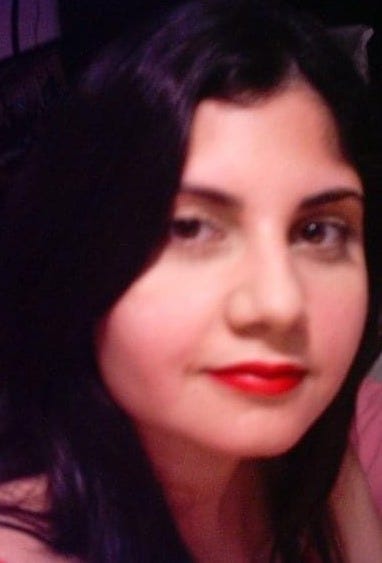
Her name is Ana. She lived a functional life after cancer and joined The Misery Team. She had a steady job, friends who loved her and understood where she was coming from when she acted weird, a new boyfriend every other year, and a loving family. She was pretty and funny as hell.
She collected records and movies and was capable of dismantling and remaking a computer from scratch. She was the most brilliant person I have ever met. She died at 37. Way too young! And I choose to remember her—every day of my life— simply as my big sister. The best one I could have ever asked for.
Our favorite movie was The Intouchables. After watching it seven times, Ana confessed that she loved it because the relationship between the main characters— a paraplegic and his unexpectedly sweet caretaker —reminded her of ours. The caretaker never looked at his patient as a sick person but as a guy who needed to have fun and feel normal for a bit. That was a great day! But I wasn’t always compassionate and caring with her. It took me years to accept that my big sister was sick.
I will never fully understand why she had to suffer so much.
I hope that more research is conducted as professionals try to decipher what bipolar disorder is. It's all about making the patient’s life a little less secluded and lonely. Meanwhile, I have not only bought our nephew all the candy he wants, but my younger sister and I have also made sure he knows his auntie Ana is watching him from Heaven and protecting him every step of the way.
Bipolar disorder is not the enemy.
The worst part of this terrible condition is the stigma surrounding all mental disorders. The lack of compassion and understanding still exists. I firmly believe that putting a face to it helps humanize our “certified crazy” in the eyes of our “not certified crazy” world. Like Ana would always tell me: “I’m not the crazy one. I see what others can’t. We are just humans fighting to fit in this crazy world.”
That’s my sister.
¿Seguimo'?
Mucho love ❣️
Cristy
¿Te gustó? Subscribe for free to receive new posts and support my work.
This story was published at EverydayHealth.com in 2017. It was the first time someone asked me to put into words what my sister and her struggle with bipolar disorder and cancer meant to me.
So inspiring to hear the life of your sister ana, such a persevered woman, as someone with the same diagnosis I felt seen. I hope to be as strong as she is🥹.
Gracias por compartir esas vivencias. Mi corazón se estremece. Un abrazo.